Feeding baseline of the twin
AXIOM SA: The Prepaire Genetic Body Map
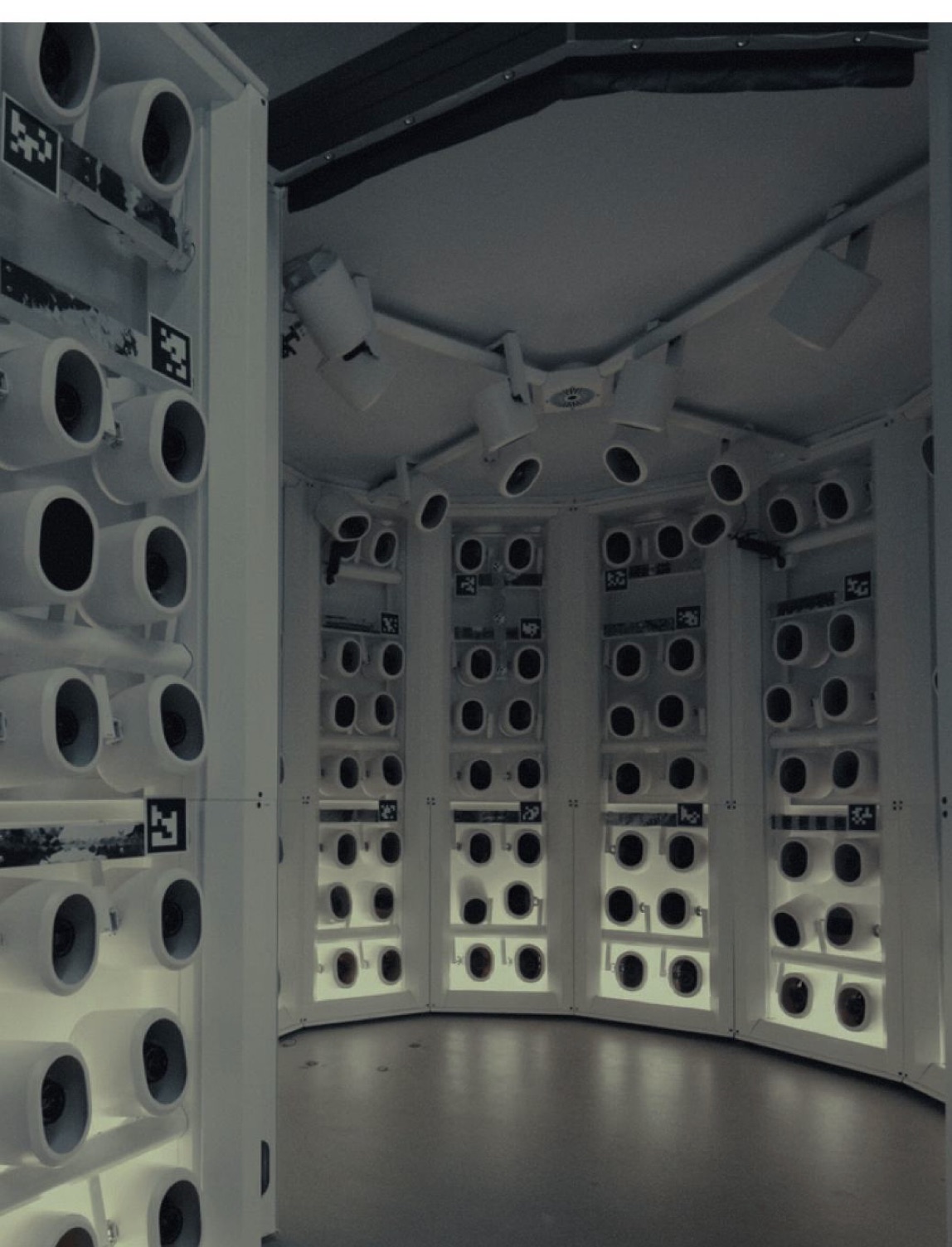
Every Digital Twin user starts with this assessment: the 360 panel builds a body map from the person's own samples, with results within 72 hours.
Samples and scope
Body map
The body, system by system
Nine body systems for Daniel (61, 3 visits, 66 results; today's sample on the cobas c 303 waits for release). Each tile is coloured by VERA's own reading of Daniel's results: every result against Daniel's own range. Each organ's age is read from proteins in the blood, measured on a protein panel. Tap a tile to see the results behind its colour, and type a new result to see how VERA would read it.
Daniel's sample on the cobas c 303 · Clinical chemistry
Drawn at 08:10 GST on 29 Nov 2026 · waiting for release
Nobody has released this run yet: this is Daniel's record before it. Run and release Daniel's sample to see its results here.
Whose results?
Coloured from Daniel's latest results as VERA computed them for this run, each against Daniel's own range, and any organ age against the first reading. Red when a result is a real change for Daniel, amber when one sits at the edge of the own range or an organ reads older than at the first visit, green when everything is within Daniel's own range. Type a new result for one of the tests and VERA reads it by the same rule.
Body system
Heart
Nothing measured yetCardiometabolic lipids, cardiac strain, heart organ age
What sets this colour
This system's tests come from the lanes and devices listed below.
The AXIOM domains behind it
The specification reads: Organ function baselines, NLR, cardiometabolic risk vs outcome-anchored targets, insulin sensitivity, inflammatory load, cardiac strain, endocrine baseline
The specification reads: Organ clocks for up to eleven organs: each organ's own age, followed from the person's first reading
The 360 panel: full assay menu
The tests that produce the markers for the biological digital twin. Every domain is standard for adults except 4.13 (physician-ordered, extra consent).
| § | Domain | Core analytes | Method | Twin output, as specified | Lane / identity |
|---|---|---|---|---|---|
| 4.1 | Blood intelligence blood | CBC with differential; CMP; liver & renal panels; cystatin C, eGFR, uric acid; advanced lipids (TC, HDL, LDL, TG, ApoB, Lp(a), subfractions); fasting glucose, insulin, HbA1c; hsCRP, ferritin/iron, homocysteine, hs-cTnI, NT-proBNP; TSH, free T4, free T3, thyroid Abs | Haematology analyser · clinical chemistry · HPLC HbA1c · immunoassay | Organ function baselines, NLR, cardiometabolic risk vs outcome-anchored targets, insulin sensitivity, inflammatory load, cardiac strain, endocrine baseline | blood LOINC · UCUM |
| 4.2 | Immune / SASP Axis 01 blood | 40-plex SASP panel (GDF-15, IL-6, IL-18, TNF-α, CXCL10, MCP-1, Activin A, TNFR1, FAS, osteopontin, CCL3, IL-15…); T-cell / immune subset phenotyping (senescent, exhausted, Treg) | High-sensitivity multiplex immunoassay / PEA · clinical flow cytometry | Senescence burden score, inflammaging load, immune age, regulatory balance | blood LOINC where coded · panel-local codes ratified |
| 4.3 | Organ ages Axis 02 blood | Deep plasma proteomics (~3,000 proteins) → eleven organ clocks: brain, heart, liver, kidney, lung, immune, metabolic, musculoskeletal, vascular, pancreatic, gut | MS data-independent acquisition proteomics or aptamer panel | Organ clocks for up to eleven organs: each organ's own age, followed from the person's first reading | proteomics UniProt per protein · clock version in how |
| 4.4 | Epigenetics Axis 03 blood | Genome-wide DNA methylation array (~935K CpG) for GrimAge, DunedinPACE, PhenoAge; Chromatin Topology Panel (WGBS, accessibility, long-read, native methylation) | Methylation BeadChip · short/long/nanopore sequencing | Ageing rate/pace, mortality methylation score, chromatin-level driver of accelerated ageing | methylation clock/model vocabulary · assay + pipeline version |
| 4.5 | Mito / flux Axis 04 blood | NAD+/NADH, acylcarnitines, lactate/pyruvate, α-KG, succinate, CoQ10, BCAAs; mtDNA copy number; GDF-15, FGF21 | Targeted LC-MS/MS · qPCR/sequencing · immunoassay | Energy infrastructure, FAO efficiency, MitoStressIndex separating true strain from confounders | blood LOINC / ChEBI |
| 4.6 | Microbiome stoolblood | Whole microbiome shotgun metagenomics (strain + pathways); calprotectin, zonulin; TMAO, indoxyl sulfate, p-cresol sulfate | Stool DNA extraction · sequencing · immunoassay · LC-MS/MS | Diversity, dysbiosis index, SCFA capacity, pathobiont load, barrier status, gut–host inflammatory signal | stool ncbitaxon · LOINC |
| 4.7 | Endocrine salivahairblood | Four-point salivary cortisol curve; 90-day hair cortisol; DHEA-S, catecholamines; sex steroids; BDNF | LC-MS/MS · immunoassay | HPA tone, acute vs chronic stress, hormonal regulation, allostatic picture | endocrine LOINC · collection-time part of identity for diurnal curves |
| 4.8 | One-carbon blood | Homocysteine, MMA (functional B12), folate cycle markers, SAM/SAH balance | LC-MS/MS · clinical chemistry | Methylation substrate capacity and epigenetic responsiveness context | blood LOINC |
| 4.9 | Urine OA urine | Organic acids, oxidative stress markers, neurotransmitter metabolites, detox pathway indicators, lactate/pyruvate overlay | GC-MS or LC-MS/MS organic acid workflow | Metabolic bottlenecks, oxidative load, neuro-metabolic and detox stress signals | urine LOINC → ChEBI |
| 4.10 | Exposome Axis 05 bloodurinewearable | Chemical: heavy metals, POPs, PFAS, EDC (BPA, phthalates, parabens), untargeted xenobiotics · Biological: VirScan, dietary biomarkers · Physical: UV, PM2.5/10, heat, noise, circadian light · Psychosocial: Allostatic Load Index, cortisol rhythm, 30-day HRV, BDNF | ICP-MS · GC/LC-MS · VirScan · wearable sensors · composites | Which environmental inputs drive the ageing signals other domains detect — turns diagnosis into cause and plan. MENA exposome reference is an S4-class asset. | exposome ChEBI/CAS · ncbitaxon · UCUM |
| 4.11 | Wearables wearable | Autonomic/recovery (HRV, temp, SpO2, sleep, readiness); CGM glucose dynamics; personal air quality / UV / noise | Smart ring · CGM · environmental sensors | Windowed aggregates only (night/day/week) — never raw tick data in the twin | wearable device-class vocabulary · windowed aggregates |
| 4.12 | Derived indices derived | MitoStressIndex, Allostatic Load Index, age/method-adjusted scores, 30/90/180-day trend slopes, per-result confidence scores | Computed from gate-passed Observations only | Trustworthy composites across time, sites, and reagent lots — noisy data never silently pollutes the Twin | derived index registry (project-local CURIEs) |
| 4.13 | Genomics (optional) optional blood | Clinical-grade WGS, pharmacogenomics, HLA typing, cancer predisposition; cfDNA / oncology early signal where indicated | WGS + specialised callers · physician-ordered under additional consent | Star-allele / PGx phenotypes, risk alleles — gate enforces consent flag as schema field | wgs spdi / star-allele / PharmVar |
Pre-analytics · gate check 1
Sample collection protocol
One clinic visit plus a short home window. Pre-analytics are gate check 1: identity errors are never rescued downstream.
Blood intelligence, SASP, organ-age proteomics, methylation, metabolomics, exposome
Endocrine and psychosocial exposome
Organic acids, endocrine disruptors, microbial metabolites
90-day retrospective cortisol / chronic stress window
Gut microbiome and barrier
Continuous autonomic, glucose, and environmental streams
S0–S4 staircase
Four layers of personalisation
They map onto the S0–S4 staircase in this framework
Each person's own stable operating range across every marker
Reference matched to ancestry, sex, age band, MENA cohort where available
Rate and direction of change from SA through every Pulse and Sentinel
Each value read against proteomic, metabolomic, epigenetic, microbiome, exposome context
User output
One-page operating manual (user output)
People respond to progress, not biomarkers. Science makes it real; the interface makes it usable.
- 1My mission
Current focus and 90-day / long-term goals, in the user's own words
- 2My daily playbook
Wake, hydration, light, movement, meals, supplements, training, sleep
- 3My prescriptions
Supplements, physician-directed therapies, exercise: purpose + review date
- 4If I follow the plan
Today vs expected at 90 days and 12 months on metrics they care about