Programmable molecular shears
AI redesign and phage-assisted continuous evolution for protease therapeutics, from a disease target to an organ-on-chip plan. PrimeEditPro adds the genome-editing lane, and the robot bridge compiles both into building instructions for the IRENA iPSC workcell.
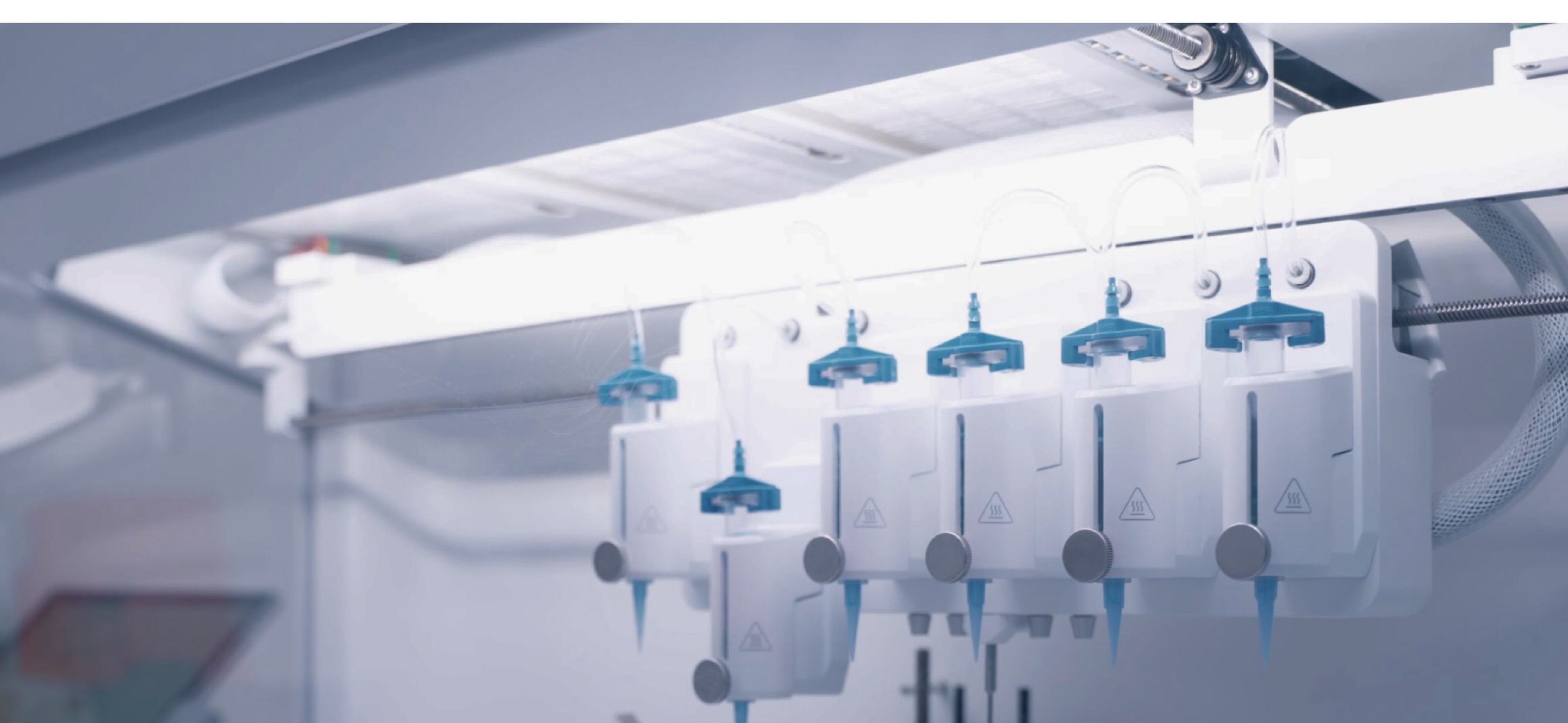
Command centre
Today on the bench
Where the ataxin-2 pilot stands this morning: the evolution fleet, the leading candidate and the chip that would test it.
Status: Simulated dataEvery figure on this screen comes from the module's example dataset, which follows the reference protease-redesign workflow this app was built against. The robot protocol compiler runs in this app.
Closed loop
The nine-step pipeline
Design, build, test and learn, closed into a loop. Every step below is a screen in this module.
Redesign kinetics
Catalytic efficiency on the BoNT/E scaffold
Structure triage
Fold confidence against deviation from the input structure; bubble size is catalytic efficiency.
Evolution fleet
Status: Simulated dataZone E · live fleet demo
Leading candidate
D3(428)1
Paper capstone lead. >79-fold selected specificity for ataxin-2 over SNAP25. HEK293T + HiBiT delivery verified. Chip-ready.
Open the scorecardChip readiness
Status: PlannedMotor-neuron chip pilot for the ataxin-2 target
3 chip-run templates described, as a study design with example numbers.
Organ-on-chip planRedesign against wild-type starting points
Fold improvement in titre recovery for a redesign lagoon against a wild-type lagoon, on three substrates of increasing difficulty.
Three lanes out of this module
A protease design becomes a genome edit, a printed tissue and a robot protocol. Each lane carries its own honesty label.
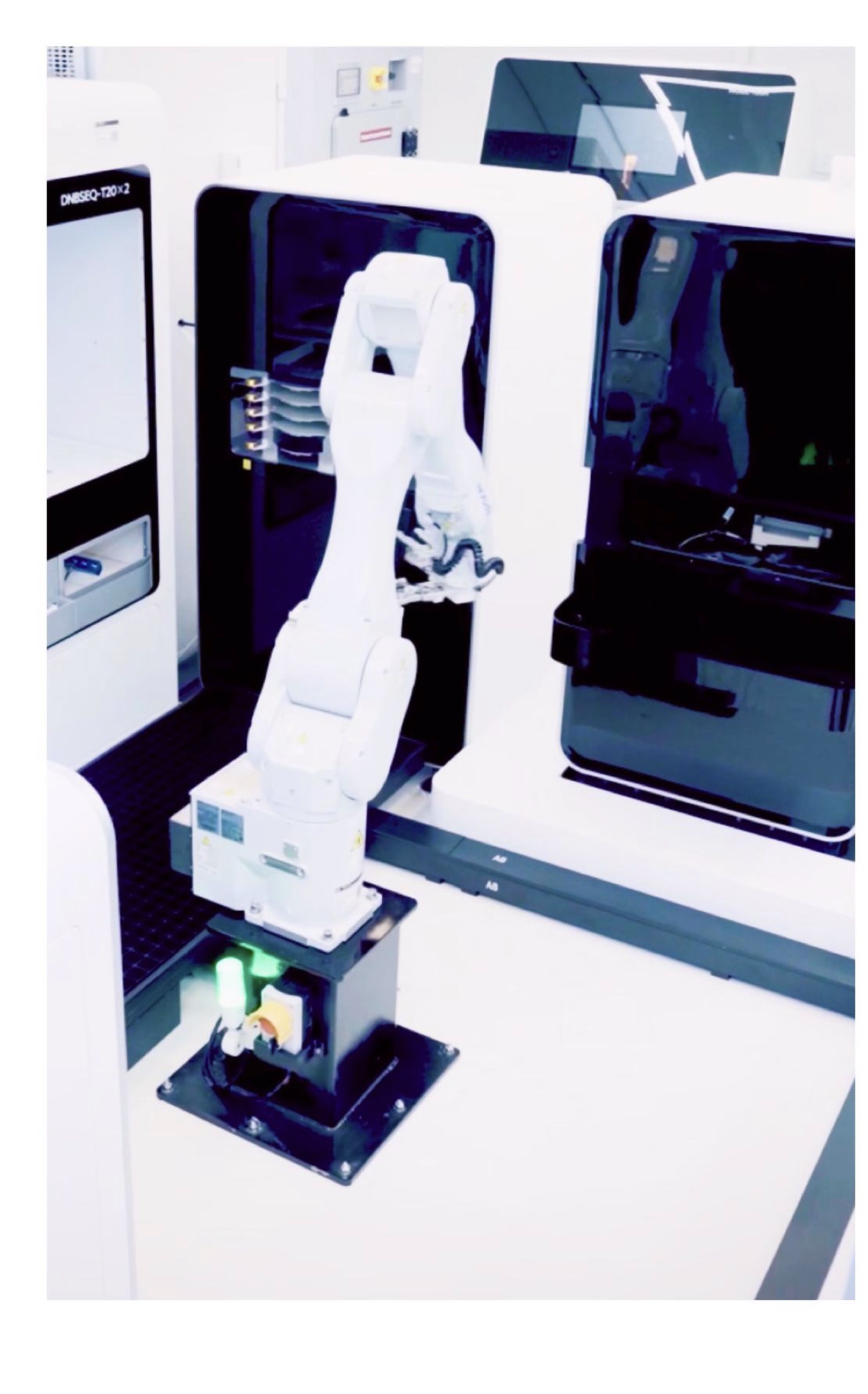
Robot protocol compiler
Compiles a build packet into irena.robot.firmware/v1 in this app. Dispatch to the workcell is simulated.
iPSC clone registry
Prime-edited clones, two organoid routes: iPSC differentiation at 8-12 weeks, or a same-day print on the CELLINK printers (on site).
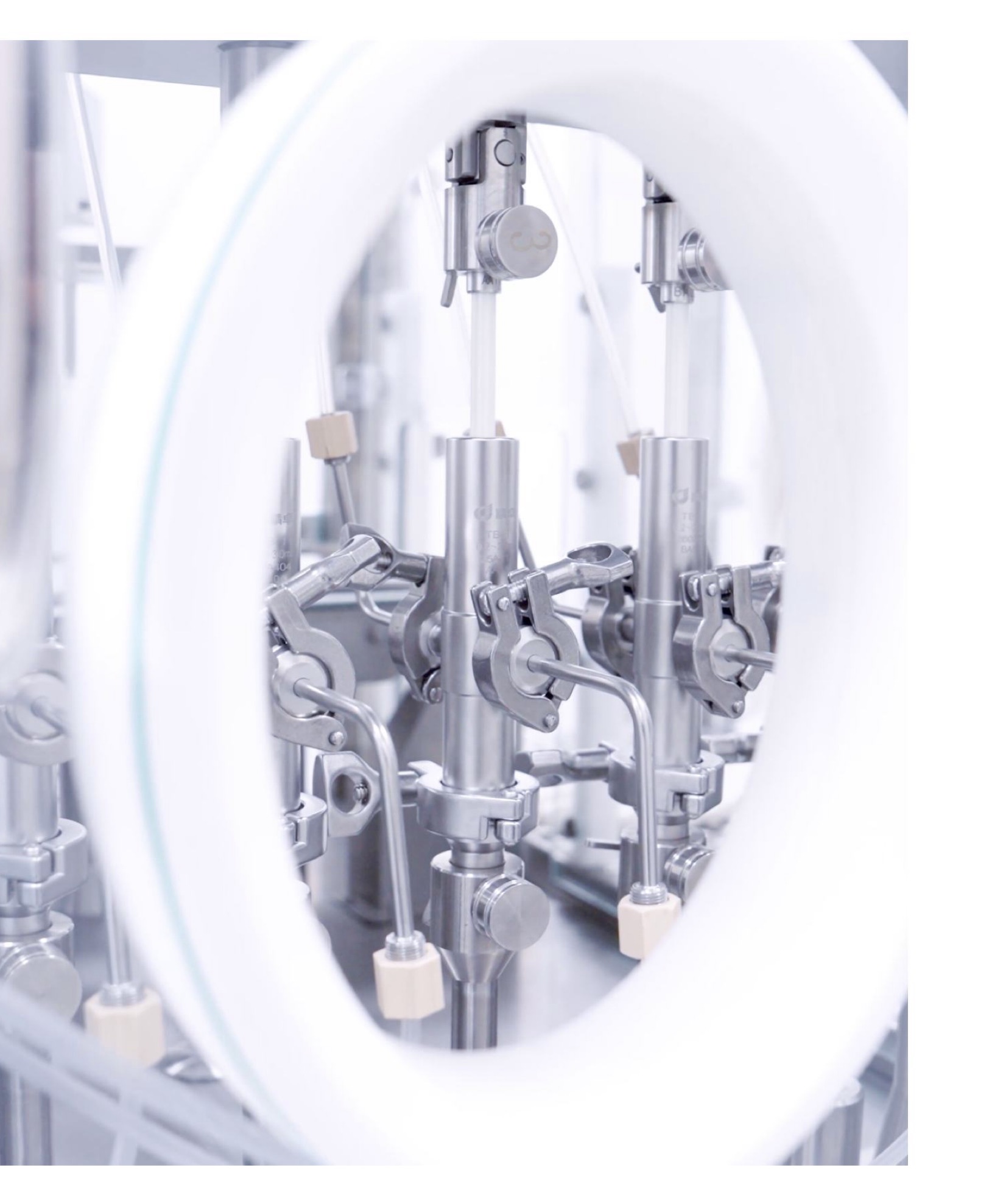
Organ-on-chip study design
A motor-neuron chip plan with its sentinel and its clearance gate: a study design with example numbers.